The craft of fermentation
A short guide to koji, why it's been central to Japanese cooking for over a thousand years, and how we practice it today.
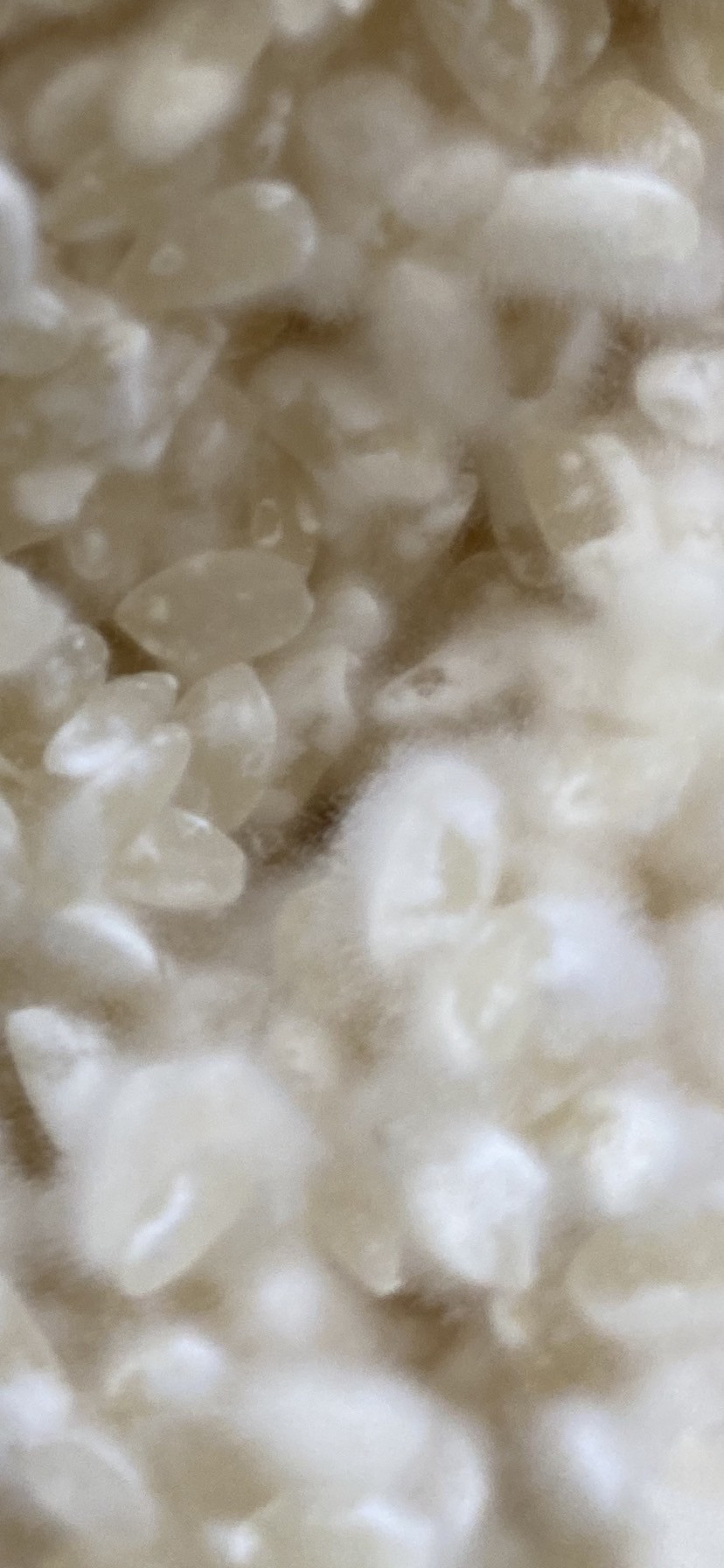
What is Japanese fermentation?
At its center is koji, rice or soybeans inoculated with Aspergillus oryzae, a mold cultivated specifically for food. Over roughly 48 hours, koji spreads through steamed grain, releasing enzymes that break down starches into sugars and proteins into amino acids.
That enzymatic activity is the starting point for miso, soy sauce, sake, mirin, and the shio koji seasonings we make — each one shaped by how long the koji is left to work and what it's combined with afterward.
Why it's lasted over a thousand years
Before refrigeration, fermentation was one of the only reliable ways to preserve food through winter — and it happened to produce deeper flavor as a side effect. Japanese cooks refined the technique over centuries into a precise craft, passed down through apprenticeships rather than written recipes. That's still largely true today: most koji makers learn by working alongside someone who already knows.
Health benefits of fermentation
Digestive enzymes
Koji's enzymes continue breaking down food after you eat it, easing digestion.
Amino acids
Protein breakdown during fermentation yields amino acids the body absorbs easily.
Reduced need for salt
Umami compounds mean less added sodium is needed to season food well.
No artificial additives
Flavor develops naturally over time, without needing extracts or preservatives.
Our traditional process
-
01
Steam the rice
Short-grain rice is steamed until soft but not mushy — the ideal texture for spores to take hold.
-
02
Inoculate with koji spores
Aspergillus oryzae spores are dusted evenly across the cooled rice by hand.
-
03
Culture for 48 hours
Kept at a steady 30°C in wooden trays, the koji is turned periodically as mycelium spreads.
-
04
Combine and age
Finished koji is mixed with salt, soybeans, or other ingredients and left to age — 21 days for shio koji, up to a year for aged miso.
-
05
Hand-jarred, never rushed
Once ready, each batch is tasted, jarred by hand, and labeled before heading to a retailer.
Why our products are different
Most commercial "fermented" seasonings on shelves today are heat-pasteurized and enzyme-extracted for speed, which kills the live cultures. We ferment everything at true temperature and time, meaning what you're tasting is the actual biological process — not a flavor approximation of it.
Frequently asked
No — koji is a specific, cultivated strain selected over centuries for food safety and flavor, grown under controlled conditions. It's unrelated to spoilage molds.
Most are — shio koji, miso, and dried koji are all rice-based. Our Amber Shoyu Koji contains roasted wheat, so check individual packaging for full details.
We produce in small batches and prioritize relationships with independent grocers and cafés who can store and sell our products properly. Use our store locator to find one near you.
Refrigerate after opening. Because our products are unpasteurized and alive, cold storage keeps the cultures stable and the flavor developing slowly rather than spoiling.
Some are. Our Yuzu Amazake Cake uses fermented rice amazake as a natural sweetener — most others rely on soaked nuts and dates rather than fermentation directly.